| |
|
Hemp seed is
the richest
source of Essential Fatty Acids (EFAs) in the plant kingdom and contains a
relatively low percentage saturated fats. EFAs promote
cellular growth, healthy skin, hair and eyes, aid in immune response,
disease prevention, weight control and even in cognitive functions. The
human brain is 60% fat - therefore EFAs are critically important to its
proper function and good health. EFAs are also the raw material the body
needs to produce hormones, the
body’s communication network for cellular
activity. EFA's supports the body’s
detoxification process due to the fact that the LA (Linoleic Acid) and
ALA (Alpha-Linolenic Acid) have the ability to carry toxic substances to
the surface of the skin, intestinal tract, kidneys and lungs where they
can be eliminated from the body.
EFA deficiencies can lead to a myriad of
health problems including impaired vision and neurological function,
growth retardation, motor in-coordination, tingling sensations in arms
and legs, behavioural changes, high triglycerides, hypertension, sticky
blood platelets, tissue inflammation, oedema, dry skin, loss of hair,
skin eruptions, liver and/or kidney degeneration, drying of glands,
susceptibility to infections, sterility in males, miscarriage in
females, hormonal imbalance and impaired wound healing and cell growth.
It is important to maintain an appropriate balance of Omega 3 and Omega
6 in the diet as these two substances work together to promote health. |
|
 |
There are various
studies that indicate many common conditions and illnesses are related to
fatty acid deficiencies and that dietary supplementation of EFAs,
particularly if included with a healthful, whole foods diet, will often
prevent, improve, or cure these illnesses. These include atopic eczema and
psoriasis, acne, cardiovascular disease, rheumatoid arthritis and other
inflammatory diseases such as chronic bladder infection, ulcerative colitis
and Chrohn’s disease, osteoporosis, PMS and menopause.
Dysfunctional fatty acid
metabolism is implicated in multiple sclerosis and some studies indicate
that supplementation with EFAs or GLA will improve the condition. EFA
supplementation would also be a beneficial adjunct for those suffering with
cancer, diabetes, chronic depression, postpartum depression, attention
deficit disorder and schizophrenic psychosis. Because Hemp oil contains both
EFAs in balance and also provides two of the EFA metabolites, it may be
more beneficial than other oils for those with these conditions or those who
have problems assimilating EFAs.
 |
|
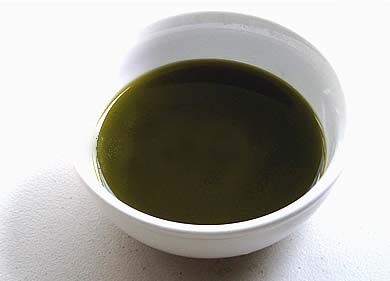
Hemp Seed Oil can be
integrated into the diet in many ways:- use in the preparation of salad
dressings, marinades, dips, spreads, add to smoothies, drizzle on any food
such as potatoes and cooked grains, or simply take by the spoonful as an
adjunct to a healthy diet. Hemp seed oil has a nutty taste similar
to sunflower oil. It is important to
purchase Hemp Seed Oil that is organically grown, made from non-sterilized
seeds and cold-pressed instead of
chemically
extracted (via hexane) so the vital
and delicate nutrients are intact. The oil should be bottled in opaque (preferably HDPE)
containers in a refrigerated section of the store.
After the removal of the
oil from the Hemp seed another useful raw material called the meal or seed
cake is left behind. This meal is high in protein, about 30% if hulled Hemp
seeds are used and 50% if un-hulled seeds are used. The meal can be ground
into flour and used to replace up to 20% of other flours in baked goods.
Hemp meal is also used by micro-breweries as an ingredient in the mash and
adds flavour and body to beer.
Good results have been
realized with the use of Hemp meal in animal feed for horses, cattle, sheep,
pigs, catfish and chickens. The mash still contains nutrients such as the
amino acids, which are present in the whole seeds. Hemp seeds have long been
used as bird feed.
|
Hemp Seeds
Botanically, Hemp seeds
are tiny nuts that develop on the female flowers of the Hemp plants. As they
mature in late summer, they develop a thin, crunchy hull, grey or brownish
in colour with a fine, whitish, marbled pattern and a smooth shiny surface.
These nut-like fruits are nearly egg-shaped in outline and flattened at the
margins. The fibrous husk protects the nutrient dense whitish embryo inside.
When hulled, the Hemp seeds are slightly larger than sesame seeds. The hull
of the seed consists mainly of dietary fibre, which is indigestible and also
contains small amount of chlorophyll. It is the meat or embryo that contains
the powerful nutrients that are so beneficial.
The nutritional content
of the Hemp seed is impressive, offering 30% complete and highly digestible
protein and containing over 36% essential fatty acids, which is 16% more
than flaxseed. It is the best source of Omega 3, Linolenic acid and Omega 6,
Linoleic acid, as well as GLA, Gamma Linoleic acid (approximately 3%). Hemp
seed contains protein, lipids, choline, inositol, enzymes, vitamins,
minerals, phospholipids, phytosterols and all eight essential amino acids.
The amino acid profile is superior to soybean and cow’s milk.
The complete protein in
the Hemp seed not only provides all the essential amino acids required to
maintain health, it is 65% globulin edestin and contains albumin.
Nutritional Analysis
of Hemp Seed / 100g
Calories
Protein
Saturated Fat
Monounsaturated Fat
Polyunsaturated Fat
Carbohydrate
Cholesterol
Total Dietary Fibre
Total Sugars
Vitamin A (B-Carotene)
Thiamine (Vit. B1)
Riboflavin (Vit. B2)
Vitamin B6 .1 mg
Vitamin C
Vitamin E (d-A-tocopherol)
Sodium
Calcium
Iron
|
567kj
33g
5g
5g
36g
12g
0g
6g
2g
4 IU
1.4mg
3mg
.1mg
1mg
9 IU
9mg
74mg
4.7mg |
Fatty
Acid Analysis
Unsaturated Fatty
Acids
Oleic
Linoleic
Gamma Linoleic acid
Stearidonic acid
Eicosaenoic acid
Total unsaturated fatty acids
|
18:1 8.5-16%
18:2 53-60%
18:3 1-4 %
18:4 0.4-2%
20:1 0.5%
89-91% |
Saturated Fatty Acids
Palmitic acid
Stearic acid
Arachidic acid
Behenic acid
Total saturated fatty acids
|
16:1 6-9%
18:0 2-3.5%
20:0 1-3%
22:0 <0.3%
9-11% |
Amino Acid Content / per gm
Glutamic Acid + Glutamine
Aspartic Acid + Asparagine
Arginine
Glycine
Alanine
Serine
Proline
*Leucine
Tyrosine
*Lysine
*Threonine
*Phenylalanine
*Valine
*Methionine
Histidine
*Isoleucine
Cystine + Cysteine
Phosphoserine
Cystathionine
*Tryptophan
Ethanolamine
* = Essential Amino Acid
|
47.95 mg
27.28 mg
25.90 mg
13.36 mg
13.23 mg
11.85 mg
10.06 mg
9.78 mg
7.99 mg
5.92 mg
5.20 mg
4.82 mg
4.13 mg
3.58 mg
3.44 mg
2.07 mg
1.65 mg
1.24 mg
1.24 mg
0.83 mg
0.55 mg |
Hemp seeds (nuts) have many
delightful applications in the culinary field. They can be substituted for
dairy, soy or rice protein in the production of non-dairy beverages, frozen
desserts, tofu and cheeses. The seeds have a delicious nutty flavour and may
be eaten whole and raw as a snack with or without added seasonings. Toasting
lightly enhances the delicious nutty flavour of the seeds, but eating them
raw will preserve all the nutrients. Hemp seeds can be sprinkled on salads,
vegetables, pasta, or added to smoothies, granola, baked goods, soups,
sauces, dips, seed cheeses, nut milks and nut balls. Another interesting use
for the seeds is to make them into nut butter in a Champion or Green Power
Juicer. Nut butter may also be made in a blender or Vita Mix, but this
method will require that extra oil be added to make the nut butter
spreadable. Nut butters can be made with or without added seasonings.
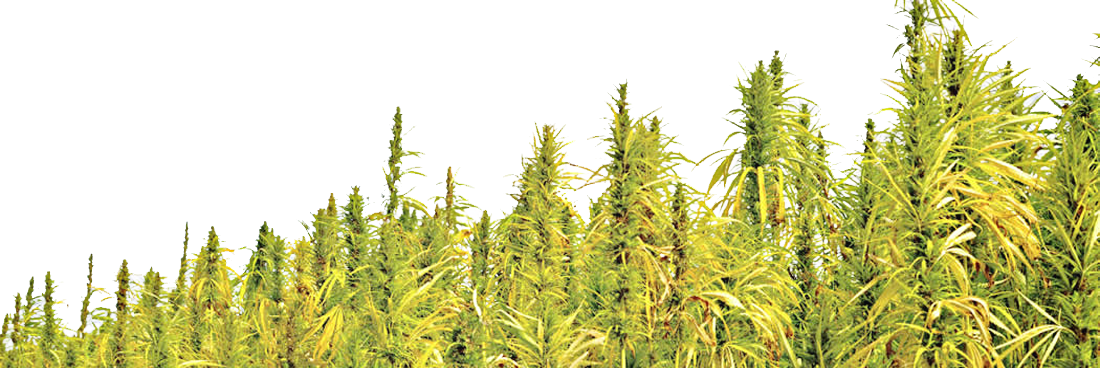
As we have seen, Hemp
seeds and/or oil contain important nutrients that are vital to human health
and well being and the plant provides many materials for clothing, shelter
and fuels. Consequently, it is important to support the use of Hemp
products; it is highly beneficial for health, the environment and the
economy. Hemp is truly an amazing plant! |
|