|
Nature's Forgotten
Nutraceutical
by Darrell L. Tanelian, M.D., Ph.D.
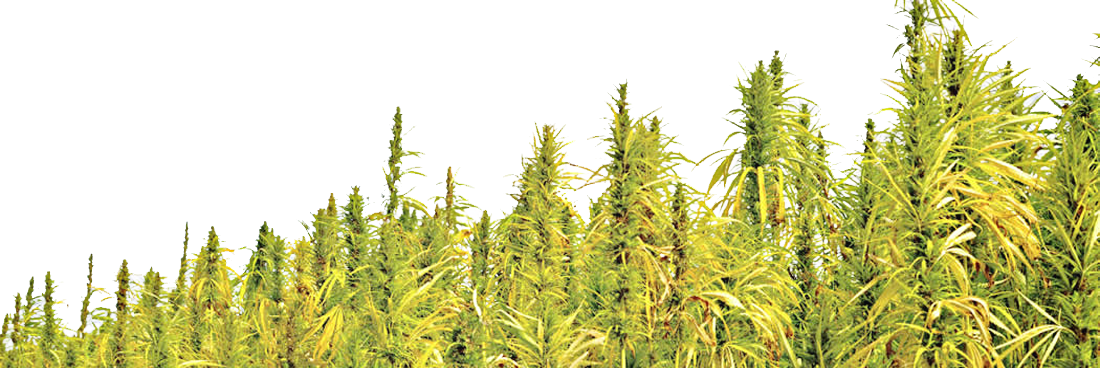
That the Hemp plant (Cannabis sativa) is used as a food source
initially surprises and confuses most people. The public misinformation
system has largely restricted knowledge of “Hemp” as it being Marijuana …
which is actually derived from the Cannabis Indica plant (same family ..
different plant), with its leaf content of the psychoactive substance
delta-9-tetrahydrocannabinol (THC).
Oil, Shelled Seed, Flour, Hemp Cake, paint and more are made from
the seed, while rope and cloth is made from the Fibre of the Cannabis Sativa
plant and paper from the plant stalk.
Both the oldest Chinese agricultural treatise, the Xia Xiao Zheng,
written in the 16th century BC and other Chinese records discuss Hemp as one
of the major grain crops grown in ancient
China.
Besides its propagation in
China, the
cultivation and use of Hemp has, since the beginnings of recorded history,
also been documented by many other great civilizations, including: India,
Sumeria, Babylonia, Persia, Egypt and other nations of the Near East and the
Aztec and Mayan civilizations of
South America;
as well as by native cultures in North America and Europe. Indeed, it might
be said that over these thousands of years, Hemp has always followed
humankind throughout the world, or vice versa. Nutritionally, the key point
about Hemp is that its edible portion - the meat of the shelled seed -
resembles the seeds of other cultivated grains including wheat and rye and
does not contain THC. Moreover, the strains of Hemp plant used for food have
been naturally selected so as to produce little or no THC, generally. These
nutritional varieties of Hemp plant grow in temperate climates to heights of
14 feet and as with many agricultural grains, their seeds can be harvested
in a conventional manner with a combine. Since the most modern handling and
shelling of the seed minimize its contact with leaf resins, the shelled seed
itself and the oil, nut butter and other foods prepared from the seed have
been made with THC concentrations as low as 1 ucg/g (ppm) to non-detectible.
These modern Hemp products, when consumed in normally recommended amounts,
should all but eliminate positive urine tests for THC.
 Studies conducted on older versions of Hemp seed oil found some to
contain THC concentrations that resulted in positive urine tests Studies conducted on older versions of Hemp seed oil found some to
contain THC concentrations that resulted in positive urine tests
Nutrients in Hemp Seed
The most basic Hemp seed product is the shelled seed, sometimes
referred to as the "Hemp Nut." The other major Hemp food products are Hemp
seed nut butter - which resembles peanut- and other nut butters -
cold-pressed Hemp seed oil and Hemp seed flour. These basic products can be
consumed alone or used along with or instead of other grains, seeds, nuts
and oils in any appropriate recipe. In terms of its nutrient content,
shelled Hemp seed is 34.6% protein, 46.5% fat and 11.6% carbohydrate.
The most important feature of Hemp seed is that it provides both of
the essential fatty acids (EFAs) needed in the human diet – GLA, Linoleic
and Alpha-Linolenic acid -as well as a complete and balanced complement of
all essential amino acids.
Fats in Hemp
As compared with most nuts and seeds, the 46.5% fat content of
shelled Hemp seed is relatively low and Hemp food products have a low
cholesterol content and high content of the natural phytosterols that reduce
cholesterol levels. Hemp Seed Oil has on average the highest mono- and
poly-unsaturated fat content of all oils, taken collectively, of between 80%
and 89%.
The polyunsaturated Linoleic acid, an Omega-6 fatty acid, is
present in Hemp seed oil in a content of 55.6g/100g and Alpha-Linolenic
acid, a polyunsaturated Omega-3 fatty acid, is present at 17.2 g/100 g. The
ratio of the two EFAs is 3.38, closely approximating the 4.0 average ratio
recommended by the World Health Organization (WHO),
Sweden and Japan for
the human diet.
Conveniently, Hemp Seed Oil is also one of the only food oils to
contain the direct metabolites of Linoleic and Alpha-Linolenic acid -
Gamma-Linolenic acid (GLA) and Stearidonic acid (SDA), respectively. Because
of this, it can circumvent the impaired EFA metabolism and physical
compromise that can result from genetic factors, intake of other fats, aging
and lifestyle patterns.
By contrast with unsaturated fat, only 6.6% of the total calories
in shelled Hemp seed come from saturated fat - a percentage that contrasts
sharply with the 13 to 14% of saturated fat calories in the modern western
diet.
This gives Hemp seed oil a polyunsaturated-to-saturated fat ratio
of 9.7, in comparison to the current ratio of 0.44 in the western diet, 6
and indicates that consuming even a small portion of Hemp seed oil daily can
contribute strongly to bringing this dietary imbalance back toward the World
Heath Organisation recommended goal of 1.0.
Hemp Protein
Besides providing the human EFAs and having a favorable
unsaturated-to-saturated fat ratio, Hemp seed is an excellent dietary source
of easily digestible, gluten-free protein. Its overall protein content of
34.6 g/100 g is comparable to that of soy beans and better than that found
in nuts, other seeds, dairy products, meat, fish, or poultry. Hemp protein
provides a well-balanced array of the 10 essential amino acids for humans.
An important aspect of Hemp seed protein is a high content of arginine (123
mg/g protein) and histidine (27 mg/g protein), both of which are important
for growth during childhood and of the sulfur-containing amino acids
methionine (23 mg/g protein) and cysteine (16 mg/g protein), which are
needed for proper enzyme formation. Hemp protein also contains relatively
high levels of the branched-chain amino acids that are important for the
metabolism of exercising muscle.
Other Hemp Nutrients
The carbohydrate content of shelled Hemp seed is 11.5% and its
sugar content is 2%. Of the shelled Hemp seed carbohydrate, 6% is in the
form of fiber. The fiber content of Hemp seed flour is 40%, which is the
highest of all commercial flour grains. In addition to containing the basic
human nutrient groups, Hemp foods have a high content of antioxidants (92.1
mg/100g) in the form of alpha-, beta-, gamma- and delta-tocopherol and
alpha-tocotrienol. Additionally, Hemp seed contains a wide variety of other
vitamins and minerals.
Hemp in Health and Disease Prevention
The high content of Omega-6 and Omega-3 fatty acids and the
relatively high phytosterol content of Hemp foods and oils, make them
beneficial to cardiovascular health. Numerous human and animal studies have
shown that substitution of polyunsaturated for saturated fats can reduce the
risk of sudden cardiac arrest and fatal cardiac arrhythmia, as well as
reducing blood cholesterol levels and decreasing the cellular proliferation
associated with atherosclerosis.
A high polyunsaturated-to-saturated fat ratio, especially when it
includes Linoleic acid, has also been positively associated with reduced
arterial thrombosis.
Additionally, phytosterols, of which Hemp seed contains 438
mg/100g, have been shown to reduce total serum cholesterol by an average of
10% and low-density lipoprotein (LDL) cholesterol by an average of 13%.
Poly-unsaturated fatty acids and especially GLA, have also been
found beneficial in treating various human cancers, 13-17 and studies have
shown that phytosterols may offer protection against colon, breast and
prostate cancers.
Besides the importance of a proper dietary ratio of Linoleic to
Alpha-Linolenic acid in maintaining the polyunsaturated fatty acid
composition of neuronal and glial membranes, membrane loss of
polyunsaturated fatty acids has been found in such neurodegenerative
disorders as Alzheimer's and Parkinson's diseases and it has been suggested
that a diet with a proper balance of Omega-6 to Omega-3 fatty acids may help
delay or reduce the neurologic effects of these diseases. A fatty acid
preparation with a ratio of Omega-6 to Omega-3 fatty acids of 4, which is
practically identical to that in Hemp oil, has been shown to improve the
quality of life of Alzheimer's disease patients.
Additionally, GLA has been found effective for treating rheumatoid
arthritis and active synovitis and the GLA and vitamin D content of Hemp
foods may make them beneficial in preventing and treating osteoporosis.
Moreover, supplementation with products containing EFAs has been
found capable of reversing scaly skin disorder, inflammation, excessive
epidermal water loss, itch and poor wound healing caused by EFA deficiency
and GLA has been shown to be beneficial for atopic eczema and psoriasis.
Hemp in Cosmetics and Processed Food Products
The critical importance of EFAs and especially GLA, for healthy
skin makes Hemp seed oil a highly effective skin care and cosmetic product.
Its lipid constituents allow it to permeate through intact skin and to
thereby nourish skin cells directly while also carrying therapeutic
substances with it into the skin. These properties have led to a multitude
of soaps, shampoos, skin lotions, lip balms, conditioners and other
skin-care products containing Hemp seed oil.
Among food products made from Hemp seed, oil and flour are beer,
pasta, cheese, cookies, waffles, granola, candy, ice cream and others, with
new products now being regularly developed.
In short, Hemp can constitute an important element in nutrition,
health and cosmetics, with the prospect of playing a major role in
preventing disease and reducing health care expenditures.

References
1.
Yu Y.
Agricultural history over seven thousand years in
China, In: Feeding a Billion: Frontiers of Chinese Agriculture, ed. S
Witter, 1987.
2.
Li H.
"The Origin and Use of Cannabis in Eastern Asia: Their Linguistic Cultural Implications," in Cannabis and Culture,
ed. V Rubin,
The Hague: Mouton, 1975.
3.
Leson
G, Pless P, Grotenherman F, Kalant H, ElSohly MA. Food products from Hemp
seeds: Could their consumption interfere with workplace drug testing J Anal
Toxicol, Accepted, 2000
4.
Bosy TZ,
Cole KA. Consumption and quantitation of D9 tetrahydrocannabinol in
commercially available Hemp seed oil products. Anal Toxicol, 7:562-6, 2000.
5.
Kris-Etherton
PM, Taylor
DS, Yu-Poth S et. al. Polyunsaturated fatty acids in the food chain in the
United States. Am J Clin Nutr, 71:179S-88S 2000.
6.
Eaton
SB, Eaton III SB, Konner MJ. Paleolithic nutrition revisited: A twelve-year
retrospective on its nature and implications. Eur J Clin Nutr 51:207-216,
1997.
7.
Brousseau ME, Schaefer EJ. Diet and Coronary Heart Disease: Clinical Trials.
Curr Atheroscler Rep 2:487-493, 2000.
8.
Siscovic DS, Raghunathan TE, King I et. al. Dietary intake of long-chain n-3
polyunsaturated fatty acids and the risk of primary cardiac arrest. Amer J
Clin Nutr, 71:208S-212S, 2000.
9.
Kang JX,
Leaf A. Prevention of fatal cardiac arrhymias by polyunsaturated fatty
acids. Amer J Clin Nutr, 71:202S-207S, 2000
10.
Fan YY,
Ramos KS, Chapkin RS. Modulation of atherosclerosis by dietary
gamma-linolenic acid. Adv Exp Med Biol 469:485-91, 1999.
11.
Hornstra G, Kester AD. Effect of the dietary fat type on arterial
thrombosis tendency: systemic studies with a rat model. Atherosclerosis
131:25-33, 1997
12.
Moghadasian MH, Frohlich JJ. Effects of dietary phytosterols on
cholesterol metabolism and atherosclerosis: Clinical and experimental
evidence. Amer J Med 107:588-94, 1999.
13.
Vartek S, Robbins ME, Spector AA. Polyunsaturated fatty acids
increase the sensitivity of 36B10 rat astrocytoma cells to radiation-induced
cell kill. Br J Cancer 77:1612-20, 1998.
14.
Kenny FS, Pinder SE, Ellis IO, et. al. Gamma-linolenic acid with
tamoxifen as primary therapy in breast cancer. Int J Cancer 85:643-8, 2000
15.
Robbins M, Ali K, McCaw R, et. al. Gamma-linolenic acid-mediated
cytotoxicity in human prostate cancer cells. Adv Exp Med Biol 469:499-504,
1999.
16.
Rizzo
MT,
Regazzi E, Garau D, et. al. Induction of apoptosis by arachodonic acid in
chronic myeloid leukemia cells. Cancer Res 59:5047-53, 1999.
17.
Southgate
J, Pitt E, Trejdosiewicz LK. The effects of dietary fatty acids on the
proliferation of normal human urothelial cells in vitro. Br J Cancer 74:728-
34, 1996.
18.
Awad
AB,
Fink CS. Phytosterols as anticancer dietary components: Evidence and
mechanism of action. J Nutr 130:2127-30, 2000.
19.
Fenstrom JD. Effects of dietary polyunsaturated fatty acids on
neuronal function. Lipids 34:161-9, 1999.
20.
20.Youdim KA, Martin A, Joseph JA. Essential fatty acids and the
brain: possible health implications. Int J Dev Neurosci 18:383-99, 2000.
21.
Yehuda S, Rabinovitz S, Carrasso RL, Mostofsky DI. Essential fatty
acids preparation (SR-3) improves Alzheimer's patients quality of life. Int
J Neurosci 87:141-9, 1996.
22.
Leventhal LJ, Boyce EG, Zurier, RB. Treatment of arthritis with
gamma-linolenic acid. Ann Intern Med 119:876-873, 1993.
23.
DeLuca P, Rothman D, Zurier RB. Marine and botanical lipids as
immunomodulatory and therapeutic agtents in the treatment of rheumatoid
arthritis. Rheum Dis Clin N Am 21:759-77
24.
Zurier RB, Rossetti RG, Jacobson EW, et. al. Gamma- linolenic acid
treatment of rheumatoid arthritis. A randomized, placebo-controlled trial.
Arthritis Rheum 39:1808-17, 1996.
25.
Kruger MC, Coetzer H, Winter R, et. al. Calcium, gamma-linolenic
acid and eicosapentaneoic acid supplementation in senile osteoporosis. Aging
10:385-94, 1998.
26.
Wright S. Essential fatty acids and the skin. Br J Derm
125:503-515, 1991.
27.
Horrobin DF. Essential fatty acid metabolism and its modification
in atopic eczema. J Am Clin Nutr 71:367S-72S, 2000. |